Gas during pregnancy is very common and occurs due to several physiological changes in the body caused by hormonal and physical factors.
- Hormonal Changes: Increased levels of progesterone relax smooth muscles throughout the body, including the digestive tract. This relaxation slows down digestion, allowing more gas to accumulate in the intestines.
- Slowed Digestion: The slower movement of food through the digestive system leads to fermentation by bacteria, producing excess gas and bloating.
- Expanding Uterus: As the pregnancy progresses, the growing uterus puts physical pressure on the intestines and stomach, contributing to slowed digestion and gas buildup.
- Constipation: Common in pregnancy due to hormonal effects and pressure on the colon, constipation traps gas and leads to discomfort and bloating.
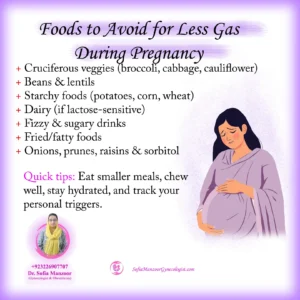
- Dietary Factors: Increased sensitivity to certain gas-producing foods (beans, cruciferous vegetables, carbonated drinks, dairy) during pregnancy can worsen gas.
- Bloating or a swollen feeling in the abdomen
- Frequent burping or flatulence
- Abdominal discomfort, cramps, or sharp pains
- Sensation of fullness or pressure
- Eat smaller, more frequent meals to avoid overeating and aid digestion
- Avoid or limit gas-producing foods and carbonated drinks
- Stay hydrated and engage in regular, gentle exercise to stimulate digestion
- Practice good posture and eat slowly to minimize swallowed air
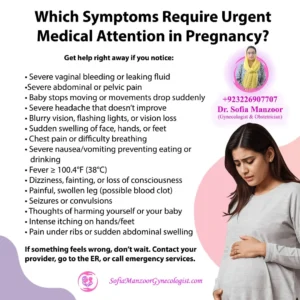
- Consult a healthcare provider if gas pain is severe or accompanied by other symptoms like bleeding, fever, or vomiting
In summary, gas during pregnancy is mostly caused by slowed digestion due to hormonal changes and physical pressure, with constipation and diet playing important roles. While uncomfortable, it is generally harmless and manageable with lifestyle adjustments. Gas during pregnancy is common and mainly caused by hormonal and physical changes. Increased progesterone relaxes intestinal muscles, slowing digestion and allowing gas to build up. Additionally, as the uterus expands, it puts pressure on the intestines, further slowing digestion. Constipation, which is frequent in pregnancy, also traps gas, leading to bloating and discomfort. Dietary factors like consumption of gas-producing foods (beans, cruciferous vegetables, carbonated drinks) can worsen symptoms. These changes often begin early in pregnancy and may persist throughout. Managing gas involves eating smaller meals, avoiding certain foods, staying hydrated, and gentle exercise. While uncomfortable, pregnancy-related gas is generally harmless.

Major Reasons of Gas During Pregnancy
Gas during pregnancy is very common and occurs due to several physiological changes in the body caused by hormonal and…

Is Papaya Good for Digestive System During Pregnancy?
Ripe papaya is good for the digestive system during pregnancy when eaten in moderation. It is rich in fiber and natural…

Is Peanut Good for Digestive System During Pregnancy?
Yes, peanuts are generally considered good for the digestive system during pregnancy for those who are not allergic to them.Digestive…

Is Pomegranate Good for Digestive System During Pregnancy?
Pomegranate is good for the digestive system during pregnancy, mainly due to its high fiber content, which helps prevent constipation and…

Is Guava Good for Digestive System During Pregnancy?
Guava is excellent for the digestive system during pregnancy due to its high fiber, water content, and beneficial nutrients that relieve constipation,…

Is Green Tea Good for Digestive System During Pregnancy?
Green tea can be gentle on the digestive system and offer digestive benefits during pregnancy if consumed in moderation, but excess intake…
If you’re facing pregnancy concerns like nausea, back pain, dizziness, cramps, spotting, or worries about travelling, getting timely guidance is important. A skilled gynecologist can assess pregnancy safety, manage complications, provide ultrasound evaluations, and guide you on safe travel. You can consult Dr. Sofia Manzoor a leading gynecologist with 16 years of experience. She’s known for handling infertility cases, high-risk cases, travel-related concerns, and overall women’s health with expertise and care.