When does the heartbeat come in pregnancy?

The fetal heartbeat usually begins to be detectable by ultrasound around 5 to 6 weeks of pregnancy. At this time, cardiac tissue starts to contract and may sometimes be seen using a transvaginal ultrasound. In summary, fetal heartbeat is generally first detectable by ultrasound at about 5 to 6 weeks of pregnancy and more reliably seen by 7 to 8 weeks.
Which Foods Should I Avoid to Reduce Gas During Pregnancy?
To reduce gas during pregnancy, it is advisable to avoid certain foods known to commonly cause gas and bloating. These include: It is recommended to track personal food intake and identify specific triggers, as individual tolerance varies. Eating smaller meals, chewing food thoroughly, and drinking plenty of water can also help reduce gas during pregnancy. […]
What Tests Diagnose Strawberry Allergy during Pregnancy?

Strawberry allergy during pregnancy can be diagnosed using several tests, often guided by a healthcare professional after a review of symptoms and medical history. Common diagnostic tests include: These tests help confirm whether symptoms are due to a strawberry allergy and guide management during pregnancy. It is important for pregnant women suspected of having a […]
Which High-FODMAP Foods to Limit while Pregnant?

During pregnancy, it is beneficial to limit high-FODMAP foods that can increase gas, bloating, and digestive discomfort. High-FODMAP foods to consider limiting include: Vegetables: Garlic, onions, asparagus, artichokes, beetroot, Brussels sprouts, cabbage, cauliflower, leeks, mushrooms, snow peas, and sweet corn. Fruits: Apples, apricots, blackberries, cherries, mangoes, nectarines, peaches, pears, plums, prunes, pomegranates, watermelon, dried fruits, […]
Which Leafy Greens are Highest in Folate and Iron?

The leafy greens highest in both folate and iron for pregnancy are spinach, turnip greens, collard greens, and kale. These greens support fetal neural development (folate) and maternal blood health (iron). Top Leafy Greens for Folate and Iron Including these nutrient-rich greens in the pregnancy diet helps meet the increased needs for both folate and iron, supporting […]
Which Low-FODMAP Fruits are Safe During Pregnancy?
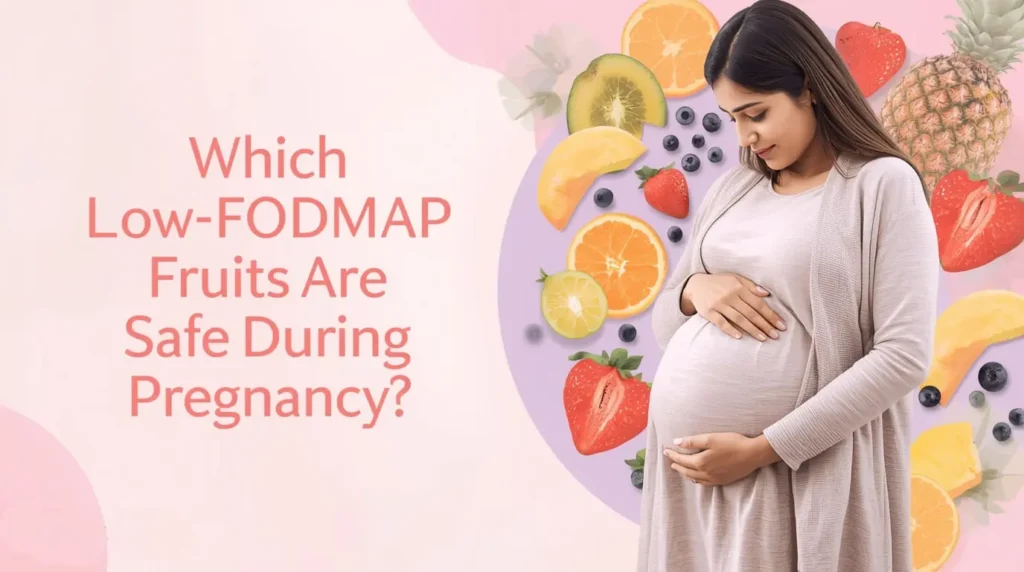
Low-FODMAP fruits that are generally safe and can be consumed during pregnancy include: These fruits provide important nutrients and fiber, which are beneficial during pregnancy while minimizing gas and bloating associated with high-FODMAP fruits. It’s important to eat them in appropriate portion sizes and to space servings by at least a few hours to avoid […]
Which Symptoms Require Urgent Medical Attention in Pregnancy?
During pregnancy, certain symptoms require urgent medical attention as they may indicate serious complications that could affect the health of both mother and baby. Immediate evaluation is necessary if any of the following signs occur: Urgent Symptoms in Pregnancy If any of these symptoms occur, it is critical to seek immediate medical care by contacting the healthcare provider, going […]
Which Plants Besides Papaya Contain Papain which is Bad for Pregnancy?

Papain itself is found almost exclusively in papaya (Carica papaya), and this enzyme is what poses risks in pregnancy, especially from unripe papaya and its latex. While several other plants contain similar proteolytic enzymes (such as ficin, bromelain, and actinidin), they do not contain papain itself, they have their own distinct enzymes that may or may not […]
Which Trimester has the Most Risk from Unripe Papaya Exposure?
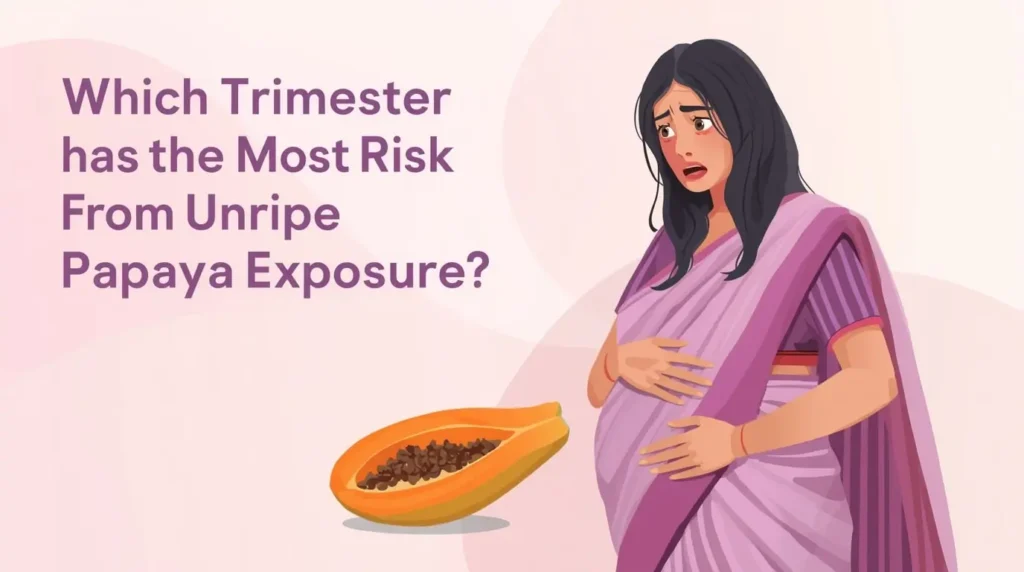
The first trimester of pregnancy carries the highest risk from exposure to unripe papaya. During this early phase, the fetus is most vulnerable, and even small amounts of the latex and papain found in unripe or semi-ripe papaya can stimulate uterine contractions, increase the risk of miscarriage, hinder implantation, and weaken vital fetal membranes. Why the First […]
Which veggies to avoid or limit while pregnant?

Certain vegetables should be avoided or limited during pregnancy because of the risk of foodborne illness, potential toxins, or digestive issues. The most important are: Vegetables to Avoid Vegetables to Limit or Prepare with Caution Key Safety Tips Avoiding high-risk and unwashed/raw vegetables can help reduce the incidence of foodborne illnesses and digestive discomfort during pregnancy, supporting […]